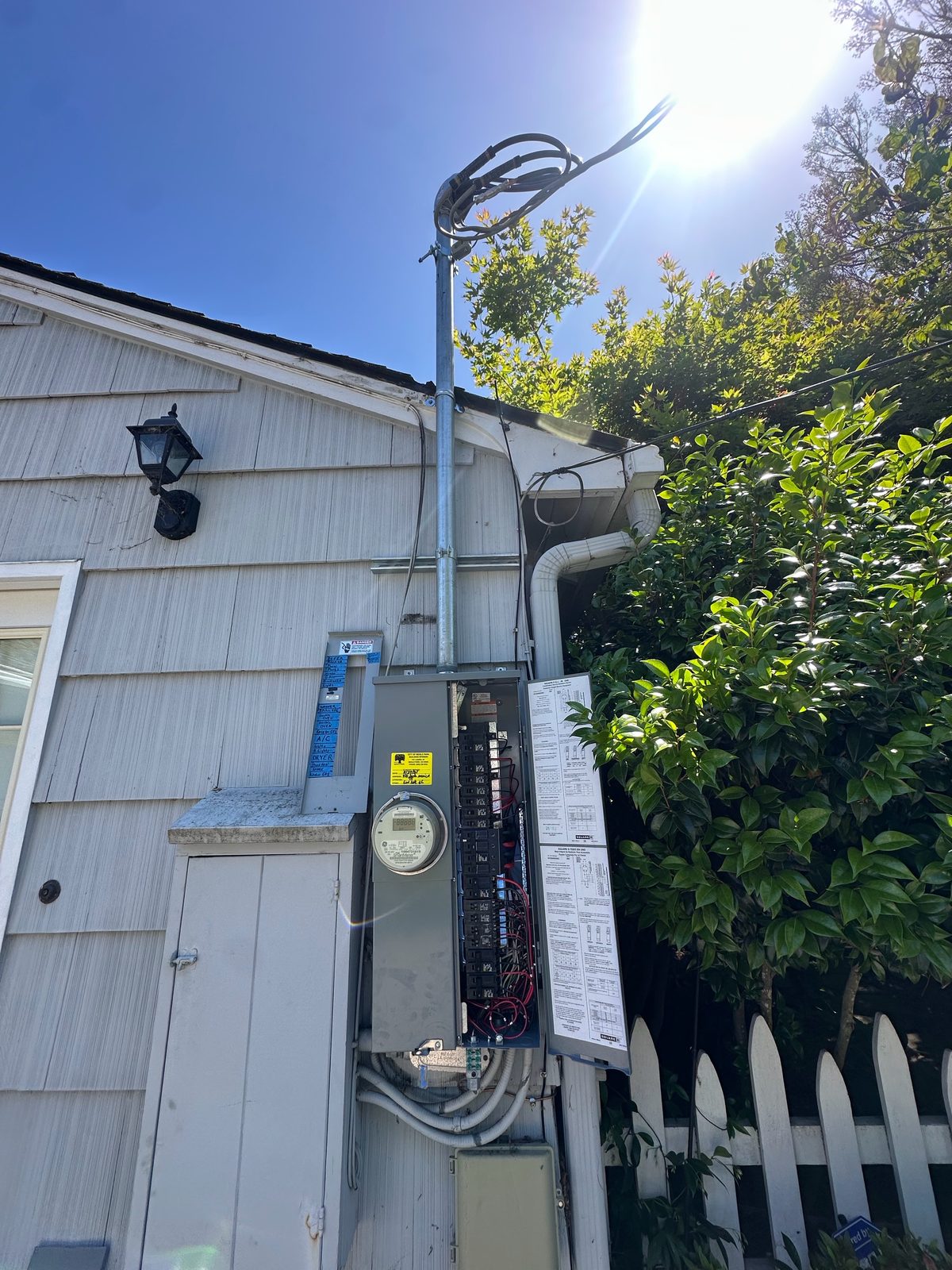
What it usually means
We’re not here to scare you. Below is only what reputable sources document. A home inspector, insurer or buyer may have flagged your panel; this is the background.
- Federal Pacific Electric (FPE) Stab-Lok: the CPSC reviewIn 1980, the company that then owned FPE reported to the U.S. Consumer Product Safety Commission that many FPE breakers did not fully meet UL requirements, and CPSC testing confirmed calibration-test failures. In 1983 the CPSC closed its investigation, and a 2011 note on that release stresses that it did so without deciding whether the breakers are safe (CPSC).
- FPE: a court ruling and an insurer’s viewIn 2002, a New Jersey court ruled that FPE violated the state’s Consumer Fraud Act by putting UL labels on breakers it knew did not meet UL’s tests (ASHI Reporter). An insurer’s risk guide says certain Stab-Lok breakers may not trip as they should and can jam “on,” that overheating has been found at bus connections, and calls replacement the safest course (Hanover).
- Zinsco and GTE Sylvania-ZinscoAn insurer’s loss-control guide explains that each breaker clips onto the bus bar, and over time that connection can lose good contact and arc. The heat can damage the breaker and keep it from tripping. Damage isn’t always visible, and production stopped in the mid-1970s (Great American).
- How to tell what you haveThe brand is usually printed on the label inside the panel door. Look for “Federal Pacific,” “FPE” or “Stab-Lok,” or “Zinsco” or “Sylvania.” Our free problem panel checker can help from a photo.
Safe for you to check
- Open the panel door (not the cover behind it) and read the label. Take a clear photo of the label and the breakers.
- Notice whether any breaker is warm, buzzing, tripping often, or looks discolored, and tell us.
- Send the photo through our free problem panel checker, or text it with your question.
- If your insurer or a home inspector flagged it, keep their note so we can address exactly what they asked.
Leave these alone
- Don’t remove the inner cover (the dead front). Parts behind it stay live.
- Don’t swap or “test” breakers yourself by flipping them over and over.
- Don’t ignore a panel that’s warm, buzzing or smells, whatever the brand.
- Don’t panic. Plenty of these panels are still in service. The point is to have it looked at and make an informed choice.
How IES helps
- 1An honest look
We evaluate the panel, check for heat damage, loose breakers and wear, and explain your options in plain words. Options can range from leaving it alone to replacing it. It’s your call.
- 2A free estimate
If replacing makes sense to you, we give you a free estimate for the change-out.
- 3We handle the whole change-out
We pull the permit, schedule PG&E’s disconnect and reconnect, do the work and meet the inspector. You just say yes.
Estimates are free. Call (530) 401-7419, answered 24/7, or use the form below.
Common questions
Is my Federal Pacific or Zinsco panel going to catch fire?
Nobody can honestly say that about one specific panel. The CPSC closed its FPE investigation without deciding whether the breakers are safe, and insurers describe the known problems and call replacement the safest course. Our suggestion: have a licensed electrician evaluate it and decide from there.
Do I have to replace it?
That’s your decision. Some insurers and home buyers ask about these panels, so it can come up when you buy, sell or renew a policy. We’ll give you the facts and a free estimate, with no pressure.
Can I just replace the breakers?
Breakers have to be the types listed on the panel’s label. For panels with known bus or breaker-connection problems, new breakers alone may not address the concern. We can look at yours and explain.
How do I know if I have one?
Read the label inside the panel door for the brand name. Our free problem panel checker can also help from a photo.
Read more
- Federal Pacific, Zinsco and other problem panels: what to know Guide
- Problem panel and recall checker Guide
- How panel upgrades work Guide
- Should I replace my fuse box? Guide
- How a Circuit Breaker Works (Thermal and Magnetic Trips) Learn
- Working Space Around Panels (NEC 110.26) Learn
- Breaker & panel family tree: FPE and Zinsco Learn
Related problems
- Told you need a panel upgrade?PG&E, a solar or an EV installer said so? Get a clear second opinion.→
- Burning smell or hot outlet UrgentUrgent: what to do right now, and what not to touch.→
- Buzzing panel or outletA faint hum can be normal. Crackling or sizzling isn’t.→
- Breaker keeps trippingWhy it happens, how to reset it safely, and when to stop and call.→
Request a free estimate
Free estimates, no pressure. Tell us a little about the job and we’ll get back to you. Or call (530) 401-7419, answered 24/7.
Sources
- U.S. CPSC: Commission closes investigation of FPE circuit breakers (1983) www.cpsc.gov
- ASHI Reporter: New Jersey finds Federal Pacific (FPE) guilty of consumer fraud www.homeinspector.org
- The Hanover Insurance Group: Federal Pacific Electric (FPE) Stab-Lok panels www.hanover.com
- Great American Insurance Group: Is your electric panel a fire risk? www.greatamericaninsurancegroup.com
- PG&E: Report an emergency www.pge.com
General safety information for homes, checked against the sources above in November 2026. Every home is different and this is not a substitute for an on-site look by a licensed electrician. Never work inside a panel, at the meter or on live wiring. In an emergency, call 911.