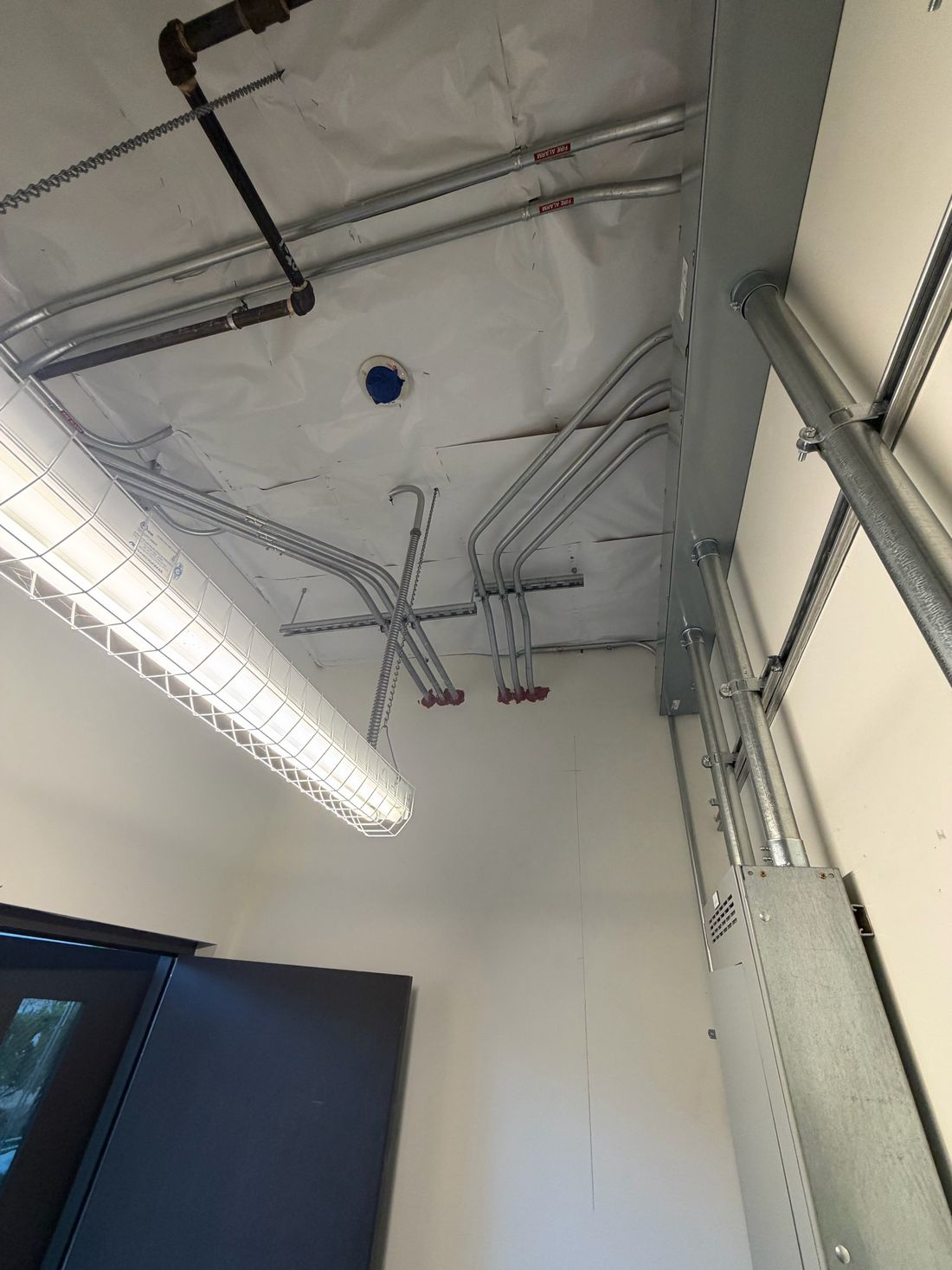
Vaping in restrooms and locker rooms is a real headache for schools, landlords and employers, and cameras aren’t an option in those spaces. Vape sensors watch the air instead. We help you choose a sensor, place it where it works, wire it, and set it up on its own network with alerts going to the right people.
What we do
- Sensor selectionComparing sensors by what they detect, how they connect and what they do with sound.
- Cabling and PoEOne network cable for power and data, or cellular and battery models where that fits.
- Network setupA separate network, changed default passwords and a plan for firmware updates.
- AlertsTexts, emails or app alerts to the staff who can respond.
- Camera tie-insCameras outside the room, aimed at the entrance, matched to alert times.
- MountingCeiling placement away from vents, following each maker’s guidance.
How vape sensors work
Vape aerosol is hard to see and gone in seconds, and it tends to happen where cameras can’t go: restrooms and locker rooms. A vape sensor is a small ceiling device that samples the air. Particle and chemical sensors look for changes that match vape aerosol, the device compares them with known patterns to tell vaping from sprays and cleaning products, and it sends an alert when the readings cross the threshold you set (Zeptive).
- Samples the airParticle and chemical sensors read the room continuously.
- Checks the patternReadings are compared with vape and smoke signatures.
- Sends an alertText, email or app, naming the room.
- Staff respondIn person, quickly. No video involved.
- 1The sensor mounts on the ceiling, away from vents, and samples the air.
- 2Vapor from a stall carries particles and chemicals the sensor is tuned to recognize.
- 3A single network cable powers the sensor and carries its alerts (PoE). Battery and cellular models skip the cable.
- 4Staff get a text, email or app alert naming the room. The sensor flags the event; it can’t say who vaped.
Sensors compared
These are the sensors we see most often. Features change with firmware and model, so we confirm the current details with the maker before we quote.
| Sensor | What it detects | Power and network | Privacy notes |
|---|---|---|---|
| HALO Smart SensorAvigilon / Motorola Solutions | Vape, smoke, masking and tampering; air quality (CO2, CO, NO2, TVOC, ammonia, particulates); occupancy; gunshot detection, aggression and spoken keyword alerts. | Works standalone with text and email alerts; cloud service optional. | No camera. Uses microphones for its sound features; see the security note below (HALO, WIRED). |
| Zeptive | Nicotine and THC vaping, smoke, masking attempts, tampering, occupancy, air quality; optional noise level. | Wired PoE, USB with Wi-Fi, battery wireless, and cellular models. | No camera, and no microphone: the optional noise meter measures level only (Zeptive). |
| Soter FlySense FS286 / FS286C | Vape detection plus sound-based “anti-bullying” alerts. | FS286C uses cellular, so it stays off your network. | No camera (Soter). |
| Verkada SV25 | A 0–100 vape index, particulates, CO2, CO, TVOC, formaldehyde, motion and noise. | PoE (802.3af), about 4 watts. | Has a microphone, and its spec sheet lists audio storage of up to 365 days, so we review audio settings for private spaces (Verkada). |
Placement and coverage
- 8–12 ftdetection radius for HALO at an 8-foot ceiling
- About 250 sq ftper Verkada sensor at an 8-foot ceiling
- About 144 sq ftper Zeptive detector, depending on airflow
- 1 per 2 stallsVerkada’s restroom rule of thumb
- Ceiling, not wall, about 8 to 9 feet up, and at least 3 feet from vents, windows and other airflow (Verkada best practices).
- Away from kitchens and shop floors. Cooking, exhaust and aerosols can cause false alarms (Verkada).
- Cameras stay outside. If you want to know who came and went, a camera outside the restroom aimed at the entrance pairs with the sensor’s alert time (Zeptive).
- It flags an event, not a person. A sensor can’t say who vaped; staff follow up in person (Zeptive).
Privacy and network security
- No cameras in restrooms. California employers may not record audio or video in restrooms, locker rooms or changing rooms (Labor Code 435). That’s exactly why these sensors exist.
- Ask what the microphone does. Some sensors only measure sound level, some listen for keywords or gunshots, and some can store audio. California generally requires everyone’s consent to record a confidential conversation (Penal Code 632). We help you choose a model and settings that fit the space, and suggest a word with your attorney for schools and workplaces.
- Treat them like computers. In 2025, security researchers showed that flaws in one popular sensor could have let someone turn its microphones into a listening device; the maker released a firmware update and said the device doesn’t record or stream audio (WIRED). We put sensors on their own network, change default passwords, and plan for firmware updates.
Nicotine, THC and cover-up sprays
The need is real. The CDC estimates 1.63 million U.S. middle and high school students used e-cigarettes in 2024, most of them flavored, with disposables the most common type (CDC).
When someone tries to block or break it
Sensors get covered, hit and pried at. HALO, for example, uses a vibration sensor to alert on strikes, thrown objects and a ceiling tile being moved (HALO). We mount sensors high, on solid backing, and wire them so cutting the cable sends an alert too.
Audio features and privacy
Some vape sensors can also listen for trigger words, aggression or gunshots and send an alert (HALO). That can help, but it’s a choice your school or company should make on purpose. Here’s how we explain the options:
- 1Air sensing onlyNo microphone features in use. Vape, smoke and air-quality alerts only.
- 2Sound levelAlerts when the room gets unusually loud.
- 3Keyword and event alertsThe sensor listens for trigger words or sounds like a gunshot and sends an alert (HALO). Your policy decides if this is on.
California restricts recording in restrooms and locker rooms (California law). We set features to match your written policy.
Before you turn it on: a policy checklist
California school districts that receive state tobacco-use prevention funds must ban tobacco products, including e-cigarettes, on district property at all times (California law) (CDE). Sensors work best as part of a plan people already know about:
0 of 8 done
Where it fits
- SchoolsRestrooms and locker rooms, with alerts to the staff who can respond fastest.
- Apartments and hotelsNo-smoking units and common areas, where smoke and vape damage is costly.
- WorkplacesRestrooms, break rooms and warehouses with no-vaping rules.
- Healthcare and librariesPrivacy-sensitive spaces where cameras don’t belong.
- Buses and remote buildingsCellular and battery models where there’s no network.
Choosing a sensor
We run the cable, mount and connect the sensors, set up the network and alerts, and tie them to your cameras outside where that helps. When comparing sensors, we look at:
- What it detects: vape, smoke, THC, noise or keywords, and air quality.
- Power and connection: PoE, Wi-Fi or cellular, and battery models for places with no network.
- Alerts: text, email or app, and who gets them.
- Tamper alerts and how the sensor is mounted.
- Privacy: camera-free, and whether any audio is recorded.
- Subscriptions and what keeps working without one.
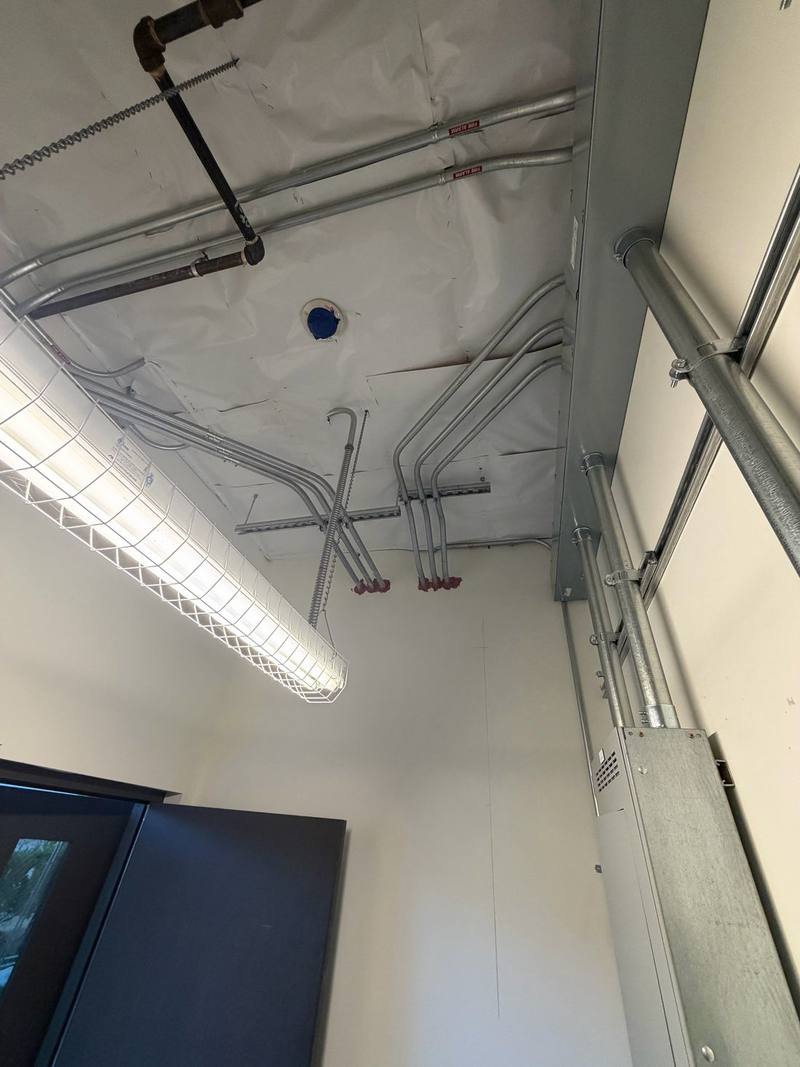
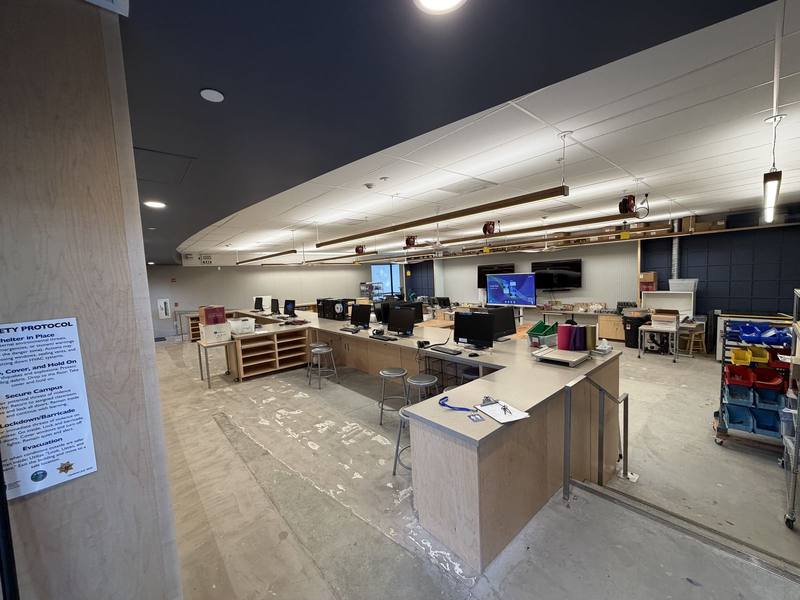
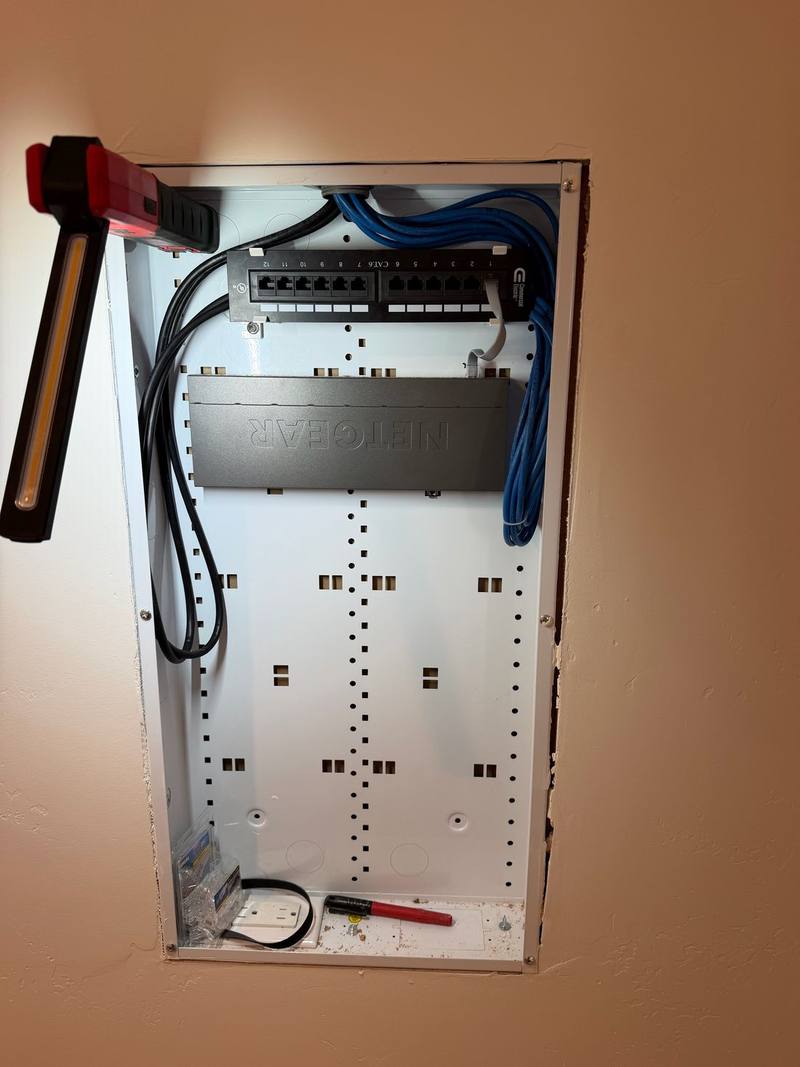
From our jobs
How the job goes
- 1Call or send a quote request
Tell us which rooms and what you’re seeing.
- 2Walkthrough
Ceiling heights, vents, room sizes and cable routes.
- 3Options and estimate
Sensor choices with what each one detects and how it connects.
- 4Install and set up
Mounting, wiring, network, alert thresholds and who gets alerts.
- 5Test and handoff
We test alerts and show your staff the app.
Permits and approvals
Most sensor installs are low-voltage work and need little in the way of permits, but new circuits and larger commercial jobs can. Schools and districts often have their own approval steps, and we work within them.
Inside Auburn city limits, electrical permits come from the City of Auburn Building Division, which takes permit applications online. In unincorporated areas, such as North Auburn, it’s Placer County Building Services. Elsewhere it’s that city or county’s building department. We pull the permit, schedule the inspection and meet the inspector.
It may seem odd to describe electrical work as beautiful, but that’s precisely what Walter’s work is—beautiful!
Common questions
Do vape detectors have cameras?
No. The sensors we install have no camera. That’s why they’re used in restrooms and locker rooms, where California employers may not record video.
Can a vape detector tell who was vaping?
No. It tells you when and where. A camera outside the room, aimed at the entrance, can show who came and went around that time.
Do they record audio?
It depends on the model. Some have no microphone, some measure only noise level, some listen for keywords or gunshots, and at least one lists audio storage. We go over the audio settings with you, and suggest a word with your attorney for schools and workplaces.
Can they detect THC?
Some can. Zeptive, for example, lists both nicotine and THC vape detection.
How many sensors do I need?
It depends on the room size, ceiling height and airflow. Makers give coverage figures roughly between 144 and 250 square feet per sensor at a typical ceiling, and Verkada suggests one sensor for every two stalls in a restroom.
Do they need Wi-Fi?
Not necessarily. There are PoE models wired to a network switch, and cellular and battery models that stay off your network entirely.
Request a free quote
Free estimates, no pressure. Tell us a little about the job and we’ll get back to you. Or call (530) 401-7419, answered 24/7.
Sources
- City of Auburn Building Division www.auburn.ca.gov
- Placer County Building Services www.placer.ca.gov
- Zeptive: vape detector systems and FAQ www.zeptive.com
- HALO Smart Sensor (Avigilon / Motorola Solutions) halodetect.com
- WIRED: security research on a school bathroom vape detector (Aug 2025) www.wired.com
- Soter Technologies: FlySense FS286 series www.sotertechnologies.com
- Verkada: SV25 air quality sensor specs www.verkada.com
- Verkada Help: Best practices for vape detection help.verkada.com
- California Labor Code section 435 (no recording in restrooms and locker rooms) leginfo.legislature.ca.gov
- California Penal Code section 632 (recording confidential communications) leginfo.legislature.ca.gov
- HALO: What’s a vape event (vape, THC and masking) halodetect.com
- CDC MMWR: E-cigarette use among middle and high school students, 2024 www.cdc.gov
- HALO: Tamper detection halodetect.com
- HALO Smart Sensor 3C cut sheet halodetect.com
- California Health and Safety Code 104420 (tobacco-free school districts) leginfo.legislature.ca.gov
- California Department of Education: Tobacco control laws FAQ www.cde.ca.gov
Sensor details come from the makers’ own pages and can change with firmware; we confirm them before we quote. Legal notes are general information, not legal advice. Checked against the sources above in November 2026.