
Foothill neighborhoods can lose power during storms and Public Safety Power Shutoffs. There’s more than one way to be ready, from a portable generator plugged into a proper inlet to a standby generator or a home battery. What matters most is that the setup can never send power back onto PG&E’s lines. Want the bigger picture on batteries, solar and PSPS? See our solar, batteries and renewable energy guide.
What we do
- Generator inlet and interlockA safe way to connect a portable generator to your panel, with a listed interlock so the main and the generator can’t be on at the same time.
- Standby generatorsWiring and connection for permanently installed generators.
- Transfer switchesManual and automatic transfer switches that keep your generator separate from the grid.
- Battery storageWiring for home and business battery systems, on their own or with solar.
- Choosing circuitsHelp deciding what you want to keep on during an outage.
How standby power connects
- 1The grid goes down: a storm or a Public Safety Power Shutoff.
- 2The transfer switch disconnects from PG&E before the generator connects, so power can never back-feed the lines.
- 3An automatic switch starts the standby generator on its own; it runs as long as it has fuel.
- 4A home battery is another way to ride out an outage, alone or with solar or a generator.
Foothill outages can last a while. PG&E says Public Safety Power Shutoffs can last from hours to several days, are more likely in higher fire-threat areas, and sometimes come with only same-day notice (PG&E PSPS). A standby generator with an automatic transfer switch starts on its own shortly after an outage and runs on natural gas or propane for as long as it has fuel.
What to compare in a standby generator
Many companies make good home generators. Rather than recommend a brand, here’s what we look at with you on any spec sheet or quote:
| What to compare | Why it matters | Ask |
|---|---|---|
| Running output (kW) | How much it can run at the same time. Ratings are often different on natural gas and propane. | What’s the rating on the fuel I’ll use? |
| Surge and motor starting | Air conditioners, well pumps and other motors need a burst of extra current to start. | Can it start my biggest motor with everything else on? |
| Fuel | Natural gas keeps going as long as the gas does. Propane run time depends on the tank, which matters in a multi-day shutoff. | How many days will my tank last at my expected load? |
| Transfer: automatic or manual | An automatic transfer switch starts and switches by itself. A manual inlet and interlock is a simpler way to connect a portable generator. With automatic transfer, the code wants the generator sized for everything it can pick up, unless load management limits it (NEC 702, Mike Holt). | Automatic or manual, and is load management included? |
| Whole-home or essential loads | Backing up the whole panel needs a bigger unit; a smaller one can cover chosen circuits or use load shedding. | Which circuits will be backed up? |
| Noise | Sound ratings are measured at a stated distance, so compare them at the same distance. Think about neighbors and bedroom windows. | At what distance is the dB rating measured? |
| Maintenance | Oil, filters and regular exercise runs keep it ready. Long outages need oil checks during the run. | What’s the schedule, and who services it locally? |
| Warranty | Length and coverage vary, and some need registration or installer paperwork. | What does it cover: parts, labor, travel? |
| Placement and clearances | The maker sets distances from walls, windows, doors and vents, and exhaust must stay away from openings because of carbon monoxide. The gas line has to be sized for the unit. | Where can it go on my property? |
| Altitude and heat | Output drops at higher elevation and in hot weather; the spec sheet shows by how much. | What’s the output at my elevation? |
| Permits | A permanent generator needs a permit and inspection. We take care of that. | Is the permit included? |
Sizing, fuel and load management
- Size to what you’ll run. The right size comes from your panel, your load calculation and your list of must-haves, not a rule of thumb. Our generator sizing guide and the backup power sizing article (with calculators) walk through it.
- Fuel. Natural gas keeps going as long as the gas does. Propane depends on tank size, which matters for a multi-day shutoff.
- Maintenance. Every generator has a maintenance schedule in its manual, including oil checks during long outages. We’re glad to service your generator.
- Load management. A load-shedding module or a smart panel can turn off less important circuits when the generator or battery is near its limit, so a smaller unit can do more.
Thinking about a battery instead, or with your generator? See what to compare in a home battery.
From our jobs
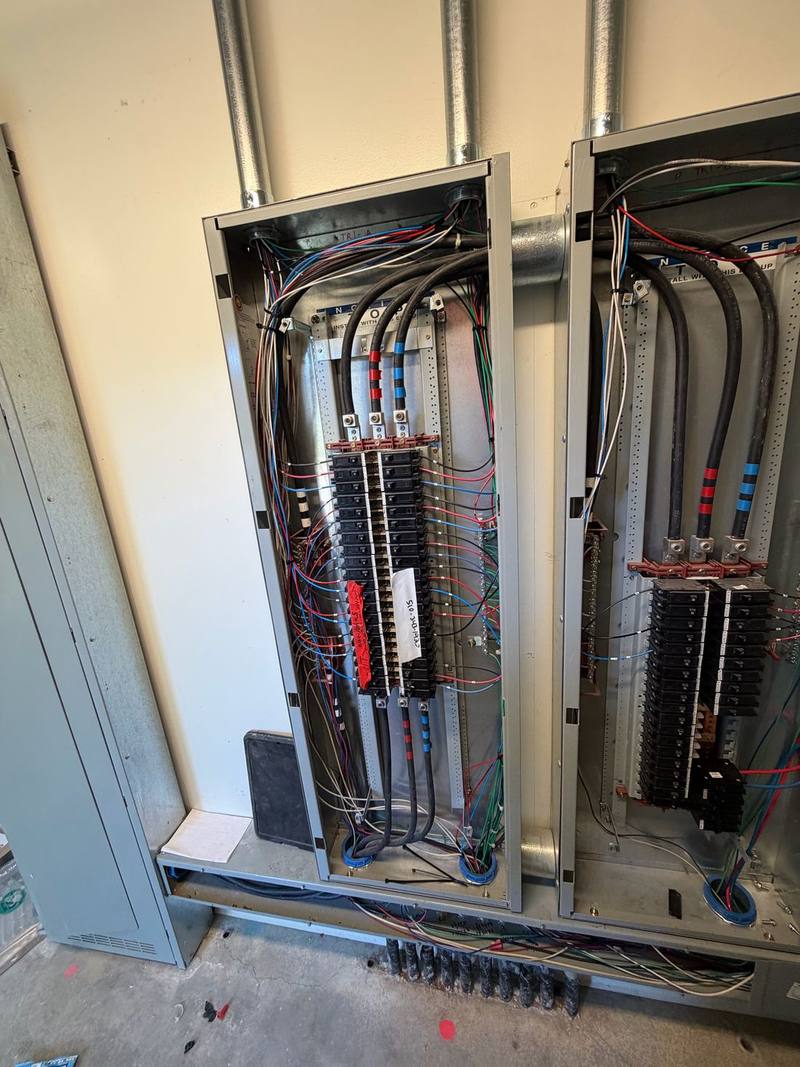
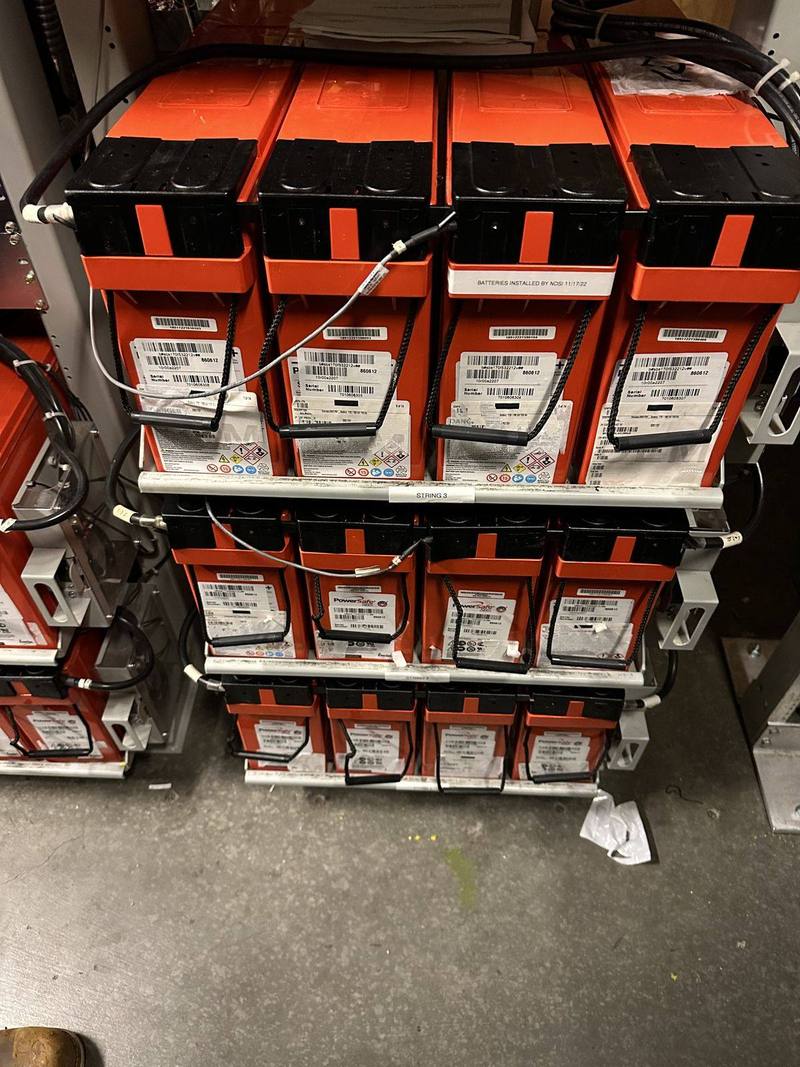
How the job goes
- 1Call or send a quote request
Tell us what you want to keep running and what generator or battery you have in mind.
- 2Free estimate
We look at your panel and where the equipment will go, and help you size it sensibly.
- 3Permit and PG&E
We pull the permit. For permanent generators and batteries, PG&E also needs to be told about the system.
- 4Install and inspection
We install the inlet, interlock, transfer switch or battery wiring, and meet the inspector.
- 5Walkthrough
We show you how to switch over safely, step by step.
Permits, inspections and PG&E
Inside Auburn city limits, electrical permits come from the City of Auburn Building Division, which takes permit applications online. In unincorporated areas, such as North Auburn, it’s Placer County Building Services. Elsewhere it’s that city or county’s building department. We pull the permit, schedule the inspection and meet the inspector.
PG&E’s backup power safety guidance says permanent generators should be installed by a professional, connected through a transfer switch that prevents back-feed, and inspected by the city or county building department, and that you should let PG&E know about the generator after it’s installed. The City of Auburn also publishes a Residential Generator Checklist for permits inside the city.
Please never plug a generator into a wall outlet. It can back-feed the lines and put line workers and neighbors at risk.
From our Google reviews
… Quality work at a reasonable price by skilled craftsmen. Glad I found them. Will use on my future projects. Performed routine maintenance on my Generac emergency generator.
5.0 on Google · 108 reviews Read all our reviews on Google →
Common questions
Can I plug my generator into an outlet?
Please don’t. A generator plugged into a wall outlet can back-feed the power lines. A generator inlet with an interlock, or a transfer switch, is the safe way to connect one.
Do I need a permit for a generator hookup?
Yes. Generator inlets, interlocks, transfer switches and standby generators change your panel wiring, so they need a permit and an inspection.
Standby generator or battery?
It depends on what you want to run, for how long, and whether you have solar. We’ll talk it through with you honestly.
Do I need to tell PG&E?
For a permanently installed generator, yes. PG&E asks to be notified after installation. Battery systems that connect to the grid go through PG&E interconnection.
Request a free quote
Free estimates, no pressure. Tell us a little about the job and we’ll get back to you. Or call (530) 401-7419, answered 24/7.
Official sources
- City of Auburn Building Division www.auburn.ca.gov
- Placer County Building Services www.placer.ca.gov
- PG&E: Backup power safety www.pge.com
- City of Auburn: Building forms and checklists www.auburn.ca.gov
- PG&E: Public Safety Power Shutoffs (PSPS) www.pge.com
- Mike Holt, Generators and Standby Power Systems, based on the 2023 NEC (Article 702 excerpt) www.mikeholt.com
Permit and utility information checked against the sources above in November 2026. Rules and processes can change; your city or county building department and PG&E have the final word.